
Future@Work
Our Wealth
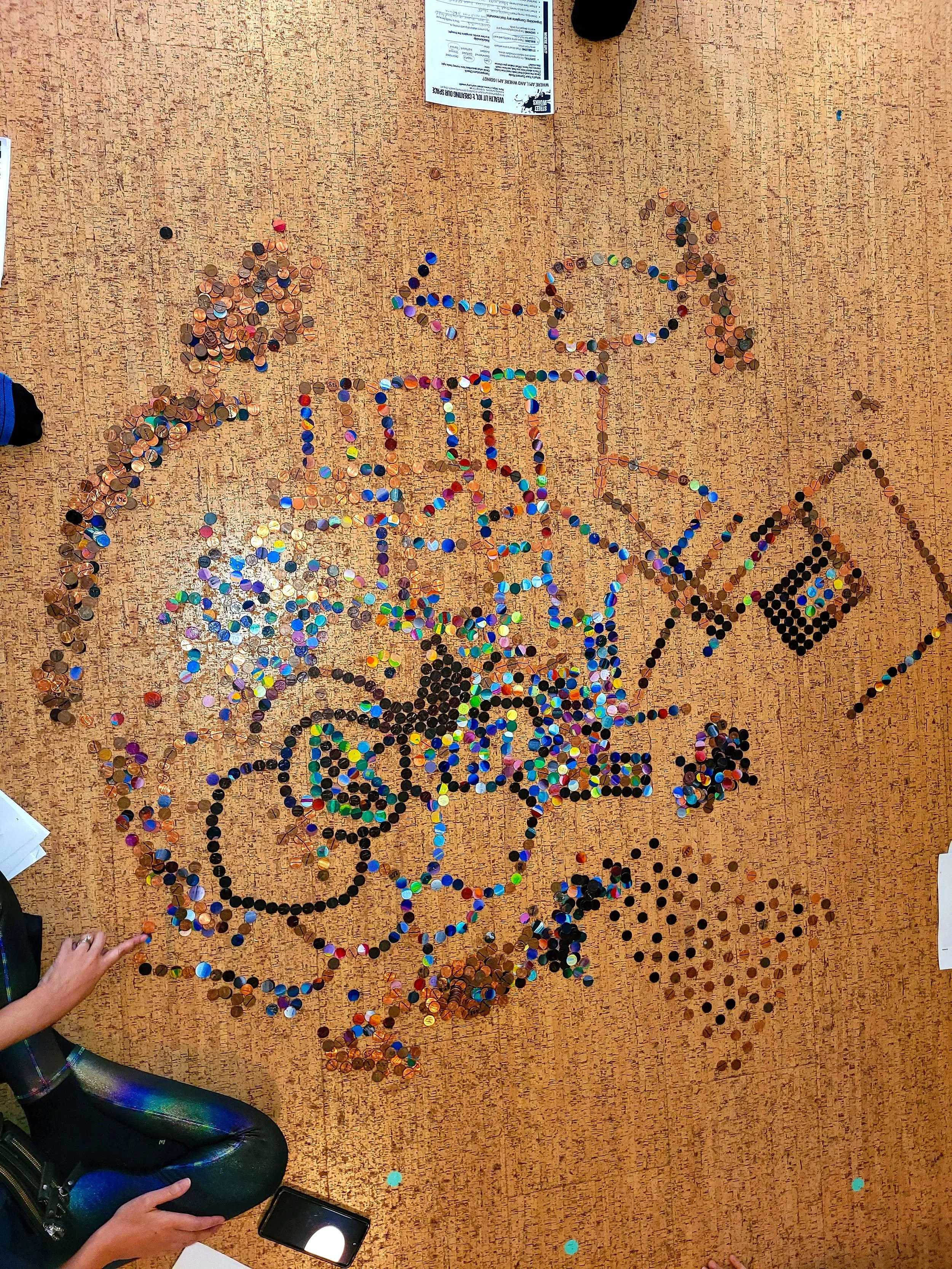
2025 Street Works Earth. “Mean. Equity.” By Anjali Deshmukh & Ernest Verrett. Learn about this map of wealth inequality, 1890 to present.
What
Wealth inequality drives many of our crises. It tilts power, leads to authoritarianism, and fuels climate change. This community group is asking what it takes for communities to build the knowledge, skills, and everyday practices that reclaim wealth, guided by justice.
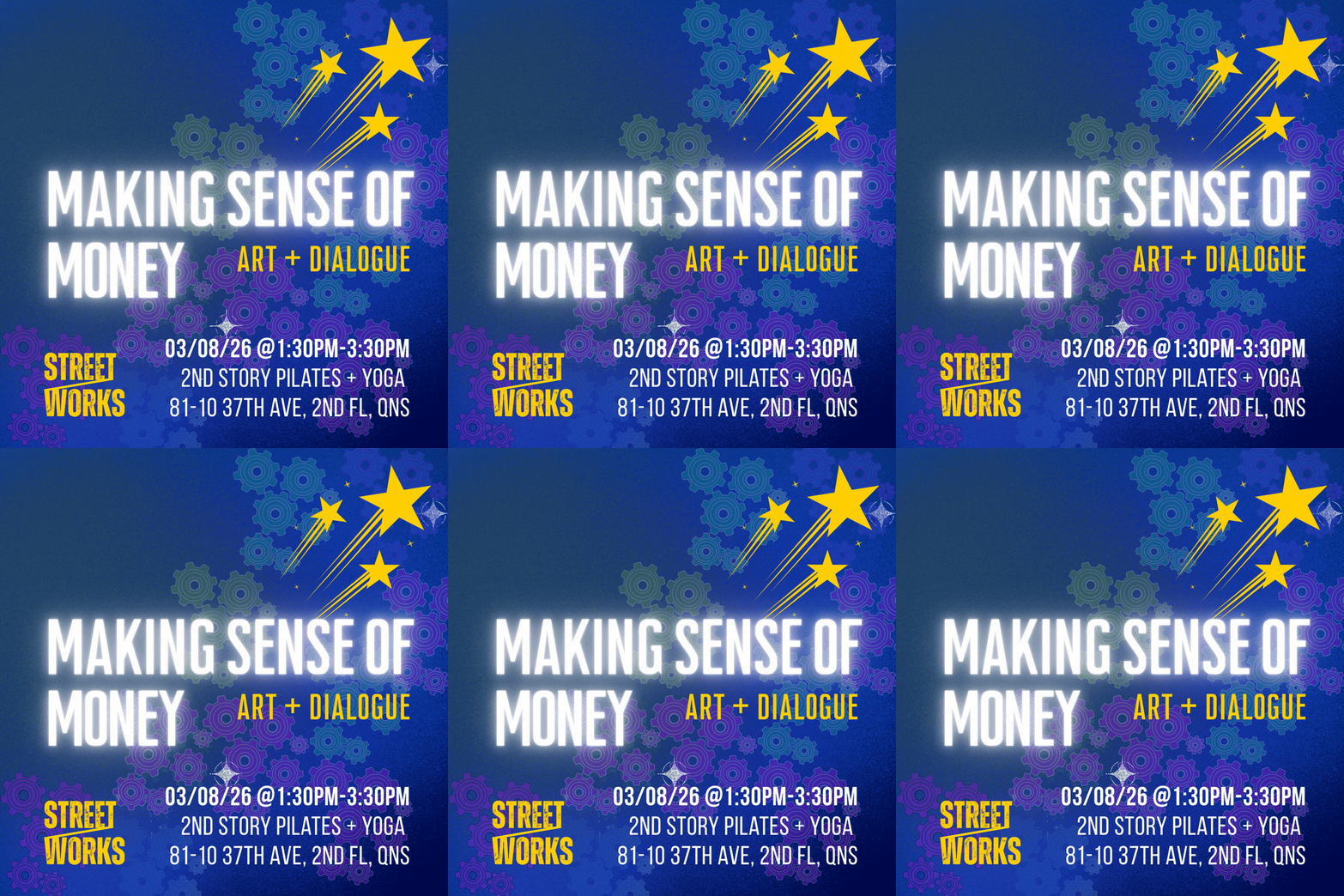
In 2026, we are creating a series of community-led wealth literacy spaces designed to bring art, justice, and intention to the day-to-day financial decisions people face: paying bills, managing savings, planning for emergencies, and participating in climate action. Use the contact form below to express interest in co-design or participation.
Why
We’re living inside two connected crises: wealth inequality and climate breakdown. System shocks — like the 2020 pandemic, the 2008 recession, and natural disasters — almost always deepen inequality now, leaving communities with fewer resources, less stability, and less control over their futures. At the same time, the wealthiest individuals are doing everything they can to expand the oil and gas infrastructure that is driving planetary destruction.
This puts billions of people in a vise. When financial stability is uncertain, our time and energy are consumed by immediate needs, leaving little room for long-term planning. Communities respond with urgent mutual aid, collective care, and remarkable resilience, but these acts of care must focus on survival rather than reshaping the systems that created the crisis. Meanwhile, addressing climate change and wealth inequality requires systems redesign that unfolds across years and generations.
how
Guided by trauma-informed care, we hope to foster spaces for collective well-being and long-term thinking, grounded in 3 beliefs:
For as long as money exists, we need to bend it with imagination toward our values and collective resilience.
Our communities must do this ourselves, recognizing that the tools and knowledge for building wealth have been hidden by design.
Long-term thinking is built from everyday, intentional rituals that become the scaffolding for generational change. Long-term thinking without daily practice is fragile; daily practice without vision is reactive. Together, they create the conditions for change.